Ask most people what a data pipeline does and they'll tell you it moves data from here to there. Which is true, in the way that saying a wedding vow moves words from one person to another is true. It describes the mechanics and misses the thing entirely.
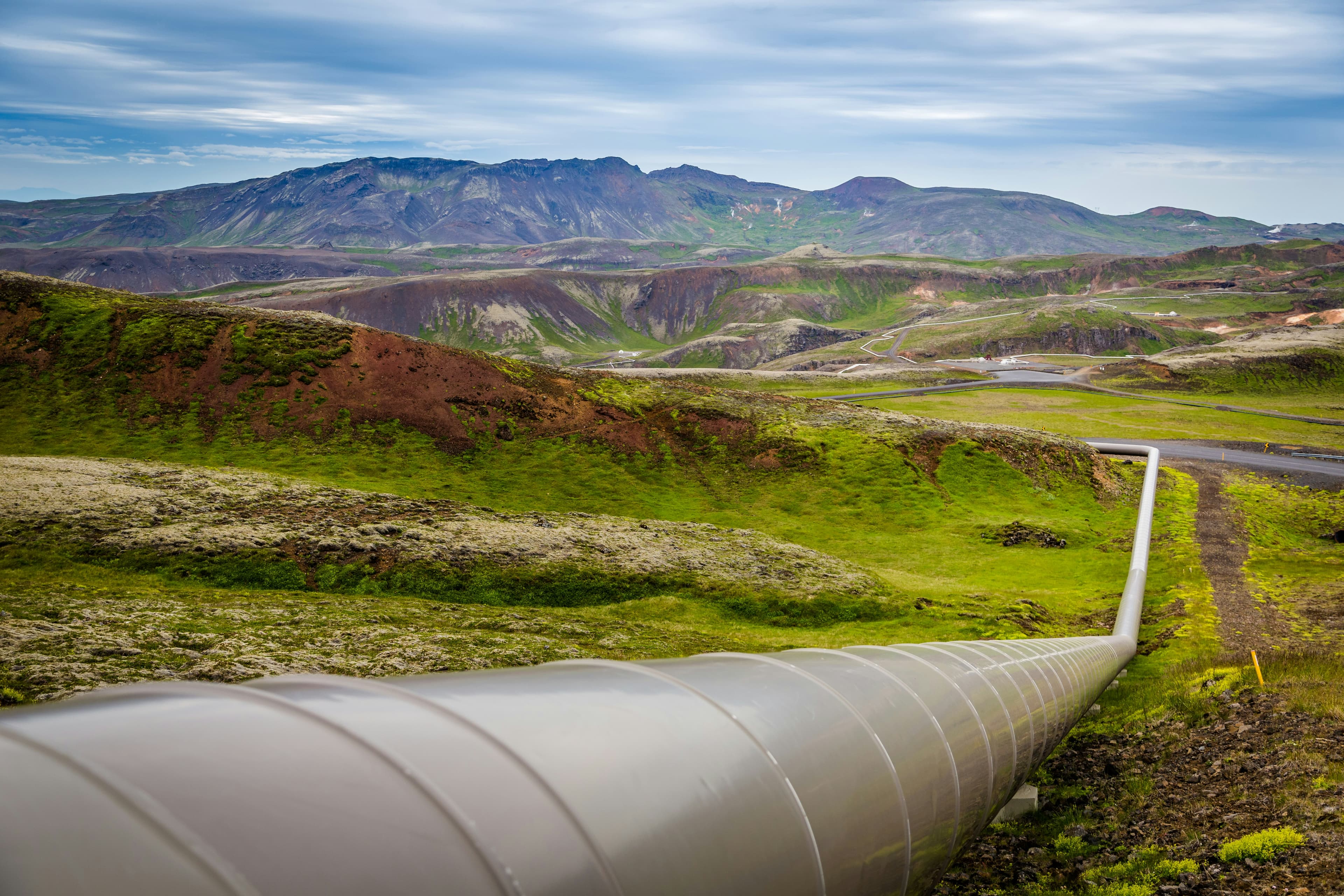
A pipeline moves bytes the way plumbing moves water, and we lean on that image. We call it plumbing. We say a job is just plumbing when we mean it's beneath us. But plumbing is the wrong metaphor, or rather it's a metaphor that flatters the easy part. Anyone can move water downhill. The hard part, the whole craft, is not the moving. It's the promise you make about what arrives.
Because that's what a pipeline actually is: a promise. A standing, repeated, machine-enforced promise to everyone downstream. When you build one, you are telling the analyst who queries the table, the dashboard the executive reads before a decision, the model that trains on the output. You are telling all of them something, whether you meant to or not. You are promising this data will be here, on time. You are promising it will be correct, or correct within bounds you've named. You are promising that what the column says it means is what it actually means, today and next quarter, after three people who aren't you have touched it.
The plumbing moves the water. The craft is the guarantee about the water.
And guarantees are hard in a way that transport is not. Moving a billion rows is a solved problem; you can buy the solution. Promising those billion rows are fresh, that they reflect the world as of an hour ago and not, silently, as of last Tuesday when a source went stale and nobody's pager went off: that's not something you buy. That's something you engineer, and you engineer it in the unglamorous places. The freshness check. The row-count assertion. The schema contract that fails loud the moment an upstream team renames a field without telling you. The tests nobody demos. The alerts that earn their keep on the one morning a year they fire.
This is why I've come to think of data engineering as a species of reliability engineering, and why I get suspicious of anyone who frames it as pipeline-building, as though the goal were to construct the most, or the most elaborate. The goal was never to build pipelines. The goal is to be trustworthy. A pipeline is trustworthy when a person downstream can act on its output without first re-checking it, because the checking has been done, structurally, upstream, by you. Trust is the product. The pipeline is just where trust is manufactured.
There's a discipline in this that doesn't announce itself. The senior data engineer is often the one whose work you'd never notice: no heroics, no 3 a.m. saves, because the 3 a.m. failure was caught at 3 p.m. by an assertion they wrote a year ago and forgot they'd written. Their promises just keep getting kept. Quietly. That's the tell.
So when you build the next one, don't ask only whether it runs. Ask what it promises. Ask who is going to believe that promise, and what it costs them if you break it. Then build the thing that keeps it.
Every pipeline is a promise. The only question is whether you meant to make it.